
Fountain Pens 101: Everything You Need to Know Before You Start Writing

A fountain pen turns writing into an art. They might seem old-fashioned in a world full of keyboards and ballpoints, but for many people, they’re something special—an extension of them. Whether it’s the smooth way they glide across the page or just how good they feel in the hand, using a fountain pen can turn writing into a more personal, even meaningful, experience.
But with these classic tools comes a bit of know-how—not just about how to use them, but how to treat them (and others’ pens) with respect. From knowing how to properly care for your pen to understanding the unspoken rules of sharing and borrowing, there is plenty to learn. This article takes a look at the basics of fountain pen etiquette—nothing too fancy, just the common courtesies and smart habits that make writing with these pens more enjoyable for everyone.
Why Is Fountain Pen Etiquette Important?
Fountain pen etiquette goes beyond just using a pen with respect; it's about embracing the art of writing with style and finesse. By adhering to proper fountain pen etiquette, you ensure the longevity of your pen and demonstrate respect for the craft and the people around you.
One reason why fountain pen etiquette is crucial is that it helps you avoid ink mishaps. Fountain pens are delicate instruments, and mishandling them can lead to leaks and stains. By following proper etiquette—such as capping your pen when not in use and storing it upright—you can prevent unexpected ink disasters.
Additionally, keeping your pen clean and well-maintained ensures that it performs optimally and doesn't leave behind unwanted ink marks or disasters.
Fountain Pen Etiquette Tips for Writing

Writing with a fountain pen is a unique experience that requires a slightly different approach compared to using a ballpoint pen or a pencil. Check out the following etiquette tips for a smooth writing experience:
- Hold the pen correctly: When writing with a fountain pen, hold it at a 45-degree angle to the paper. This angle allows the ink to flow gracefully and prevents scratching or skipping.
- Use a light touch: Fountain pens require minimal pressure to write, so avoid pressing too hard on the paper. Writing with a light touch establishes consistent ink flow and prevents fatigue during long sessions.
- Use suitable paper: Choose sleek, fountain-pen-friendly paper. It shouldn’t be absorbent or rough, as poor paper quality can cause feathering, bleeding, or uneven ink flow.
- Allow the ink to dry: Fountain pen ink takes longer to dry compared to other types. To avoid smudging, give the ink enough time to breathe before touching the page.
- Clean your pen regularly: Regular cleaning maintains optimal ink flow and prevents clogs. Follow the manufacturer's instructions or consult a pen expert if unsure.
- Store properly: When done writing, store your pen horizontally or nib-up to prevent leaks. Avoid extreme temperatures, as heat can expand ink and cause leakage.
Fountain Pen Etiquette Tips for Sharing
Sharing a fountain pen can be a delightful experience, especially among fellow pen enthusiasts. However, it's essential to follow proper etiquette to make sure both the pen and writing experience are preserved.
- Ask for permission: Before borrowing anyone else's pen, always ask. Some pen owners may prefer not to share, and it’s important to respect that decision.
- Return promptly: Once finished, return the borrowed fountain pen to its owner as soon as possible. Avoid keeping it longer than agreed.
- Avoid loaning to strangers: It’s best to lend your fountain pen only to people you trust to ensure its proper handling.
 How to Take Care and Maintain Your Fountain Pen
Meticulous care and proper maintenance are key to keeping your fountain pen in optimal condition. Following these tips will extend your pen’s lifespan while making writing more enjoyable:
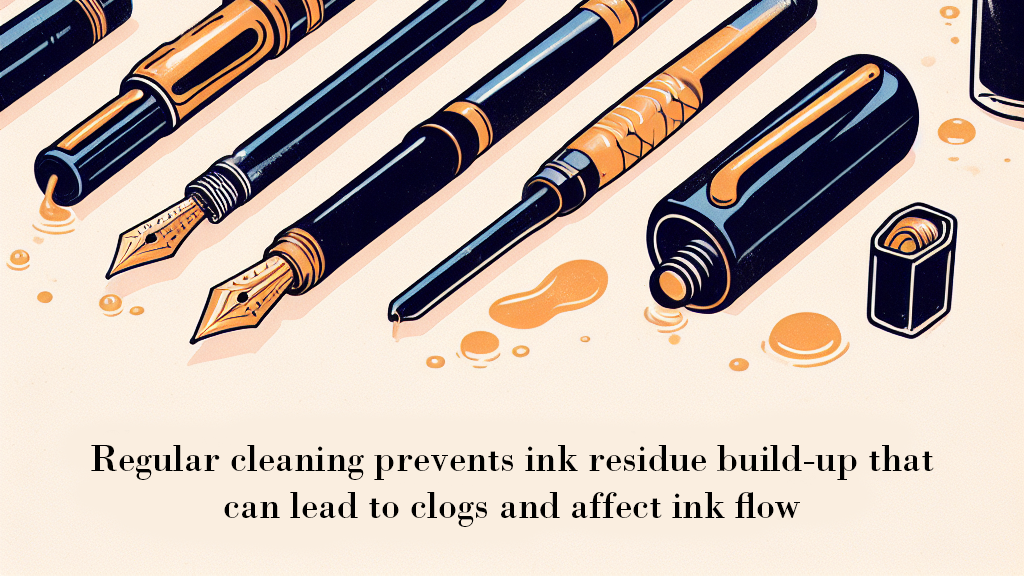
- Clean your pen regularly: Prevent ink residue build-up that can clog the nib. Disassemble and rinse with warm water—avoid harsh chemicals. You can check out this guide: How to Clean Your Fountain Pen.
- Use high-quality ink: Quality ink ensures smooth flow and reduces clog risks. Avoid low-quality or incompatible inks.
- Cap your pen properly: Always cap your pen when not in use to prevent the nib from drying. Store upright to avoid leaks.
- Avoid extreme temperatures: Heat or cold can damage your fountain pen. Keep it out of direct sunlight or freezing conditions.
Common Fountain Pen Etiquette Mistakes to Avoid
- Choosing an appropriate pen: In professional settings, opt for a conservative design and color scheme for a polished appearance.
- Practice discretion: Avoid drawing unnecessary attention to your pen during meetings or presentations. Keep it in a case or on your desk discreetly.
- Avoid loaning at work: Unless necessary, don’t lend your fountain pen in professional settings to prevent mishaps or misunderstandings.
- Maintain professionalism in penmanship: Use clear, legible handwriting. Avoid overly decorative styles that may distract or be hard to read.
Do Fountain Pens Make Good Gifts?
 Absolutely! Fountain pens make excellent gifts for enthusiasts and anyone who appreciates the art of writing. When giving or receiving a fountain pen as a gift, keep these tips in mind:
- Consider preferences: Think about the recipient's nib size, pen design, and materials. Some prefer fine nibs; others enjoy broader ones.
- Add a personal touch: Include a handwritten note or have the pen engraved for sentimental value.
- Include ink or accessories: A bottle of quality ink or a pen case makes the gift more practical and complete.
- Provide care instructions: Especially for beginners, include tips on cleaning, maintenance, and refilling.
- Choose a reputable brand: Select a pen from a well-known manufacturer to ensure lasting quality.
- Respect skill level: For beginners, choose easy-to-maintain pens. For experts, consider advanced models with unique features.
- Be mindful of ink preferences: If known, match their favorite ink colors or include ink samples for variety.
- Include warranty info: Add warranty or support details if available.
- Present it elegantly: Use beautiful wrapping or a display box to emphasize the gift’s significance.
Final Thoughts
Using a fountain pen may seem intimidating at first, but with a little practice, it will soon become second nature. Learning proper techniques, care tips, and maintenance routines deepens your appreciation for the craft of writing itself.
After all, some thoughts deserve more than a keyboard.


