
Are Coins a Good Investment?
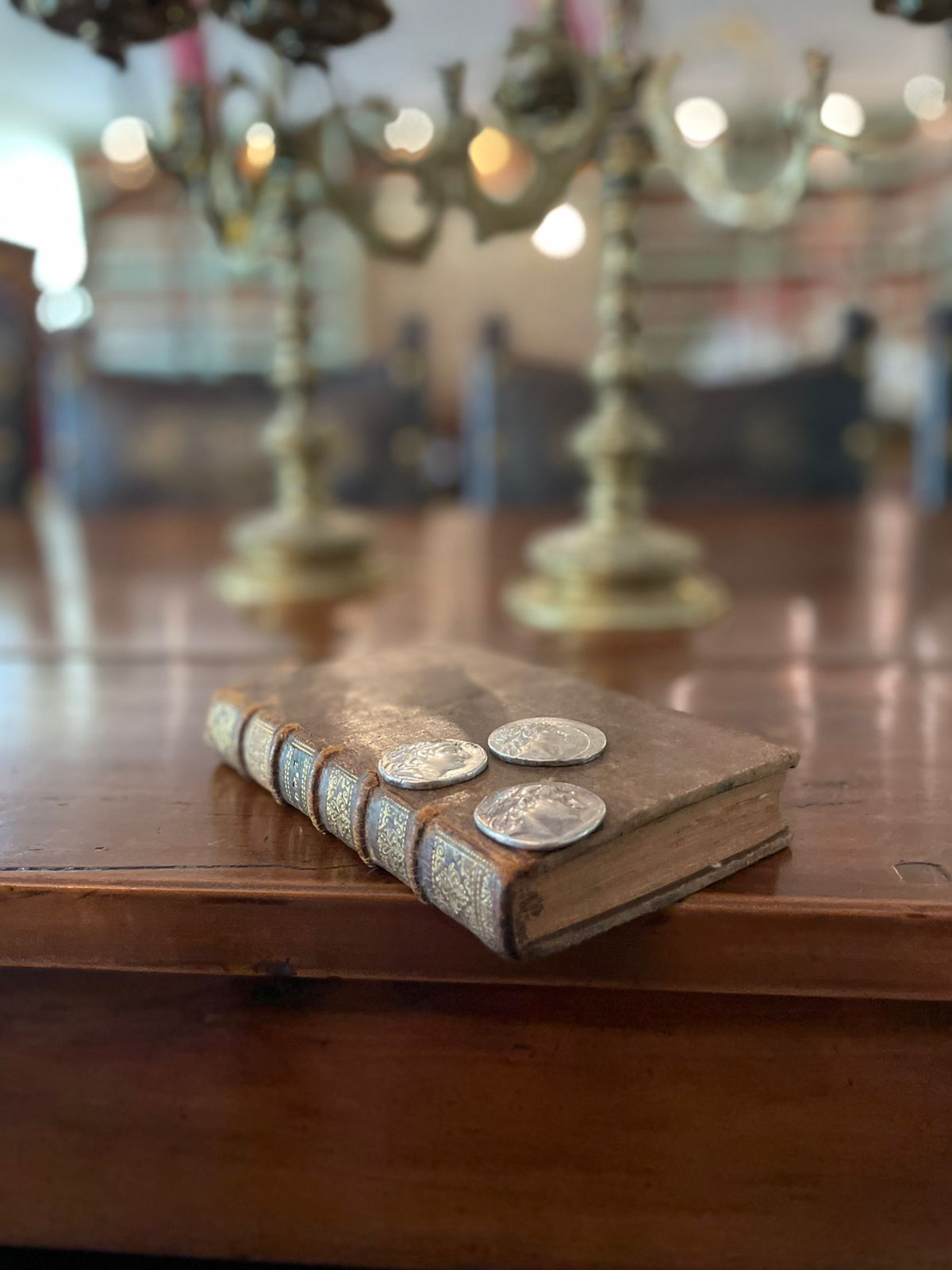
Uncovering the Value of Numismatic Coins in Today’s Market for New Collectors

Are gold coins a good investment?
Yes—gold coins have long served as a reliable store of value and an inflation hedge, combining intrinsic metal worth with strong global demand.
Common Gold Numismatic Coins
- Saint-Gaudens Double Eagle (1907 $20) – Widely regarded as one of the most beautiful U.S. gold coins; extremely popular among collectors.
- American Gold Eagle (1 oz) – Modern bullion coin with strong collector and investor demand; backed by the U.S. Mint.
- Canadian Gold Maple Leaf (1 oz) – Noted for its .9999 pure gold content and iconic maple‐leaf design.
- British Gold Sovereign – 22 ct gold, featuring reigning monarchs; low premium and deep collector base.
- Ancient Roman Aureus – Gold coins struck by emperors; prized for history as much as metal content.
- South African Krugerrand – The original modern gold bullion coin; 22 ct with a small collector premium.
 Are silver coins a good investment?
Silver coins can also be a solid investment, offering lower entry points than gold and good liquidity, though they tend to be more price-volatile.
Common Silver Numismatic Coins
- Morgan Dollar (1878–1921) – Classic U.S. silver dollar; huge variety of dates & mints makes it a collecting staple.
- Peace Dollar (1921–1935) – Commemorates the end of WWI; prized for both history and its high relief design.
- Walking Liberty Half Dollar (1916–1947) – Celebrated for Adolph Weinman’s “Walking Liberty” design; crossover appeal with silver stackers.
- American Silver Eagle (1 oz) – Official U.S. bullion coin with .999 fine silver; also graded and collected in high-grade proofs.
- Canadian Silver Maple Leaf (1 oz) – .9999 pure silver and a popular companion to the Gold Maple Leaf series.
- Mexican Silver Libertad – Struck in .999 fine silver; changing reverse designs make each year collectible.
- Spanish 8 Reales (“Piece of Eight”) – Historical silver coin that circulated worldwide during the Age of Exploration.
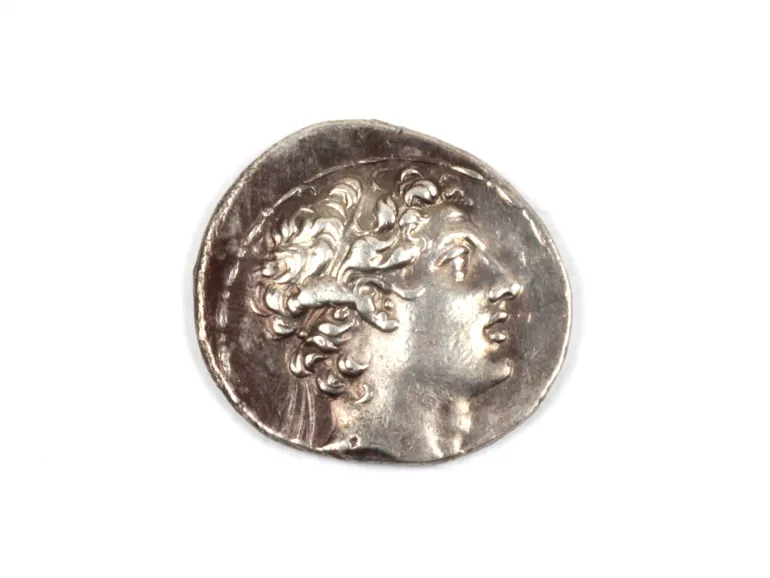
Immerse yourself in centuries of heritage with our stunning Greek silver coin collection—where most offerings are exquisite silver tetradrachms like the iconic Silver Greek Tetradrachm of Attica Athena (16.8 grs, USD 650) alongside rare issues of Antiochus IV, Alexander III, and Attalos I, with weights around 16 grs and prices starting as low as USD 95 and reaching over USD 1,250. Whether you’re looking to diversify your portfolio or capture a piece of ancient artistry, explore and buy investment-grade Greek silver coins for sale to elevate your collection.
For many new collectors, the journey begins with numismatic coins. These historical assets offer long-term growth potential.
Unlike bullion coins, which are valued by metal content, numismatic coins gain worth from rarity, history, and condition. As a person who collects coins quickly learns, rarity often outweighs weight.
This article explores whether collectible coins are a smart investment. You’ll learn how to get started, what risks to consider, and what makes coins valuable in today’s market.
What Are Numismatic Coins?

Numismatic coins are collector coins valued for their rarity, history, and condition, rather than just their metal content. They often feature ties to ancient empires, historic leaders, or minting errors that make them stand out.
They aren’t valued by precious metal alone. Instead, their worth comes from scarcity, collector demand, minting errors, and unique visual traits.
Coins tied to history or minted in low numbers often become the best coins to collect. Why? Because what coins are rare tend to rise in value over time.
Another key factor is grading. Certified services assess a coin’s condition and authenticity. This directly impacts the value of rare coins and builds buyer trust.
That’s why many answer “yes” when asked, “Are coins a good investment?”
Why Do People Invest in Numismatic Coins?
Many collectors begin with passion. Over time, they realize that some coins appreciate significantly.
Rare coins for sale at major auctions often go for far more than their metal value.
So, why invest in numismatic coins?
Some want to own a unique asset. Others seek portfolio diversification through historical items. Many enjoy the thrill of discovery.
Coins once used in ancient markets now serve as investments. Some of the best coins to collect for investment are tied to major events or powerful leaders.
Numismatic coins respond to rarity, condition, and collector trends.
Understanding the Market
What Drives Value?
To succeed, you need to understand what makes coins valuable. It’s not just about metal.
The value of rare coins depends on four factors:
- Rarity – Coins with low mintages or few survivors attract more buyers. Limited supply increases competition.
- Condition – High-grade coins earn better prices and stand out in the market.
- Historical Relevance – Coins tied to major events connect emotionally with collectors and often carry a premium.
- Market Trends – Some coin types become more popular, raising prices over time.
Together, these factors help identify what coins are rare and which are the best coins to collect today. Start by evaluating these criteria.
Grading and Certification
Grading provides protection and confidence. It assigns a score (1 to 70) based on a coin’s condition.
Higher grades mean higher value. For example, an MS-69 coin might sell for over $600,000, while an MS-62 version of the same coin could fetch under $30,000.
Certified coins are easier to sell and often appear on top platforms featuring rare coins for sale.
Coin Investment Strategy: Short-Term vs. Long-Term Coin Types
| Feature | Short-Term Coin Investment | Long-Term Coin Investment |
|---|---|---|
| Coin Types | Modern bullion coins (e.g., American Gold Eagles, Canadian Maple Leafs) | Rare numismatic coins (e.g., 1907 $20 Saint-Gaudens Double Eagle, ancient Roman aurei) |
| Primary Value Driver | Metal content and short-term market trends | Rarity, historical significance, and collector demand |
| Liquidity | High – easy to buy and sell at current market prices | Moderate – requires finding the right collector or auction platform for premium buyers |
| Market Volatility | Tied to precious metal spot prices, subject to daily fluctuations | Less tied to metal prices, influenced by collector demand and historical value |
| Knowledge Required | Minimal – focus on understanding bullion pricing and market timing | High – requires expertise in rarity, grading, and historical research |
| Investment Horizon | Weeks to a few years | Decades or generational |
| Recent Auction Results | 2025: American Gold Eagle (1 oz) sold for $2,100 (spot + premium) | 2025: 1907 Saint-Gaudens High Relief Double Eagle (MS69) sold for $720,000 at Heritage Auctions |
Risks and Rewards
Market Volatility
The coin market follows its own rhythm. A spotlight can double a coin’s value, while fading interest can pull prices down.
Selling high-grade coins takes time. Patience is key.
Avoiding Scams
Rising demand brings more fakes. Protect yourself by:
- Buying from certified dealers
- Requesting third-party grading reports
- Learning how to know if you have rare coins
Avoid unknown sellers. Instead, explore where to buy rare coins with authenticity guarantees.
Store Coins with Care
Proper storage preserves value. Use acid-free holders or capsules. Keep coins in stable, dry environments.
Never clean them—this can ruin the grade. For valuable pieces, consider vault storage and insurance.
Examples of Real Growth
Some real cases show just how profitable rare coin investing can be.
John J. Pittman bought a Proof 1833 gold half eagle for $635 in 1954. Decades later, it sold for $467,500.
A 1995-W Proof Silver Eagle reached $86,654.70 because of its perfect PCGS grade.
Error coins like the 1955 Doubled Die Lincoln Cent fetch thousands. Ancient Greek and Roman coins also show steady long-term gains.
To succeed, focus on what makes coins valuable, get coins graded, and collect.
Recent Auction Results Proving Current Relevance
2023 Auction Highlight: 1933 Double Eagle ($20 Gold Coin) – Sold for $18.9 million at Sotheby’s, setting a new record for the most expensive coin ever sold.
2024 Auction Highlight: 1794 Flowing Hair Silver Dollar – Sold for $12 million at Stack’s Bowers Galleries.
2025 Auction Highlight: Ancient Greek Tetradrachm of Alexander the Great – Achieved $250,000 at a European auction house.
What Experts Recommend
Experts agree on this: focus on rarity and condition. Don’t chase trends or buy based on hype.
Collectors who lead with passion tend to make better choices. Start with modest coins. Learn how grading works, study trends, and watch cycles before chasing rare coins for sale.
Want to know where to buy rare coins safely? Visit our site for expert guidance and more tips.
So—are coins a good investment? They can be. Especially when you combine strategy with genuine interest. Numismatic coins offer both monetary and historical value.
But this market takes time, learning, and careful choices. Avoid shortcuts. Learn grading, track trends, and document your purchases.
Are coins a good investment?
Yes, coins can be a good investment, especially if you focus on rare numismatic coins. Their value is based on scarcity, condition, and collector demand, not just metal content.
What makes coins valuable?
Coins become valuable due to rarity, historical significance, minting errors, and high-grade condition. Certified grading and market demand also influence price.


