
What Is Silverware Made Of? 7 Easy Steps to Identify Silver Pieces
 Why Identifying Antique Silverware Matters
Understanding how to tell if silverware is real silver is crucial for collectors and investors. Many people receive old silverware without knowing its true worth. Others ask themselves: What is silverware made of, or is silverware worth anything?
Identifying real silverware matters. It helps protect value, ensures proper storage, and avoids paying too much for fakes. Whether you’re reselling or keeping a family heirloom, accurate identification pays off. It’s also important if you’re searching for rare coins for sale or valuable silver antiques to add to your collection.
Understanding the Basics
What Counts as Antique Silverware?
Antique silverware is typically over 100 years old. Vintage items are 20 to 99 years old. But not all silver-looking items are solid silver. That’s why people often ask what is silverware made of or how much is silverware worth.
Silverware can be sterling, coin silver, or silver-plated. Sterling silver is 92.5% silver. Coin silver has around 90%. Plated silver is mostly a base metal with a silver coating. Understanding these differences is key—especially if you’re wondering how to know if you have rare coins or valuable silver pieces.
Sterling vs. Silver-Plated
Sterling silver pieces are stamped “925” or “Sterling.” They feel heavy and tarnish evenly. Silver-plated items are lighter; over time, the base metal underneath may show through.
Collectors and dealers often ask: what makes coins valuable or what makes silver valuable? The answer is often in purity and rarity. The same applies to silverware.
Is Silver Magnetic?
Pure silver is non-magnetic, so if your spoon or fork sticks to a magnet, it’s likely plated or made from another metal. Here’s a quick DIY magnet-test:
- Hold a small magnet to different parts of the item.
- If it sticks, the core is ferrous (not pure silver).
- Note: some non-silver metals are also non-magnetic—use additional tests to confirm.
Hallmarks and Maker’s Marks
Hallmarks: What to Look For
Hallmarks tell you if the item is sterling or plated. British silver uses the lion passant mark. American pieces often say “Sterling” or “925.” French marks show Minerva’s head, while German silver uses a crescent moon and crown.
These hallmarks are like signatures. If you collect silver like you collect coins, these markings are crucial.
| Mark | Silver Content |
|---|---|
| 925 | 92.5% silver |
| 900 | 90.0% silver |
| 800 | 80.0% silver |
 Identifying Makers and Country of Origin
Makers’ marks help pinpoint origin and production date. British silver often includes date letters. American silver sometimes includes the city name or manufacturer. French silver may have both hallmarks and maker initials.
Collectors often compare this process to numismatics. Just like you check where to buy rare coins, you can research silver makers. Knowing the country of origin helps identify styles, materials, and worth.
Recognizing Styles and Eras
Styles by Period
Silverware designs changed across eras. Georgian styles (1714–1830) are simple and elegant. Victorian designs (1837–1901) are ornate, often with floral motifs. Edwardian and Art Nouveau silver (1901–1910) features light, flowing lines.
American silverware evolved, too. Colonial Revival and Art Deco brought symmetry and bold shapes. Matching your item to a design period helps estimate its value, much like determining which coins are rare based on their era.
Design Clues: Engravings and Motifs
Monograms, shells, or scrolls often appear on antique silver. These details are more than decorative—they help identify when and where the piece was made.
An antique silverware set in its original box with specific motifs may belong to a known collection, boosting its value. Engravings can even make it easier to sell or insure your item.
Testing and Verification
Acid Test vs. Magnet Test
You can test silver purity two main ways:
- Magnet Test: Fast and non-destructive, but only rules out ferrous metals.
- Acid Test: Uses silver-testing acids to reveal purity levels; more accurate but can damage the surface.
Physical Inspection
You can often tell if silverware is real silver through touch and sight. Sterling silver feels heavy and tarnishes evenly. Plated silver is lighter and may reveal copper or brass underneath.
 Use a magnifying glass to check for marks or wear, especially along edges and handles where silver tends to wear thin. These clues help answer questions like how much your silverware is worth and what the rarest silver sets are.
DIY Additional Tests:
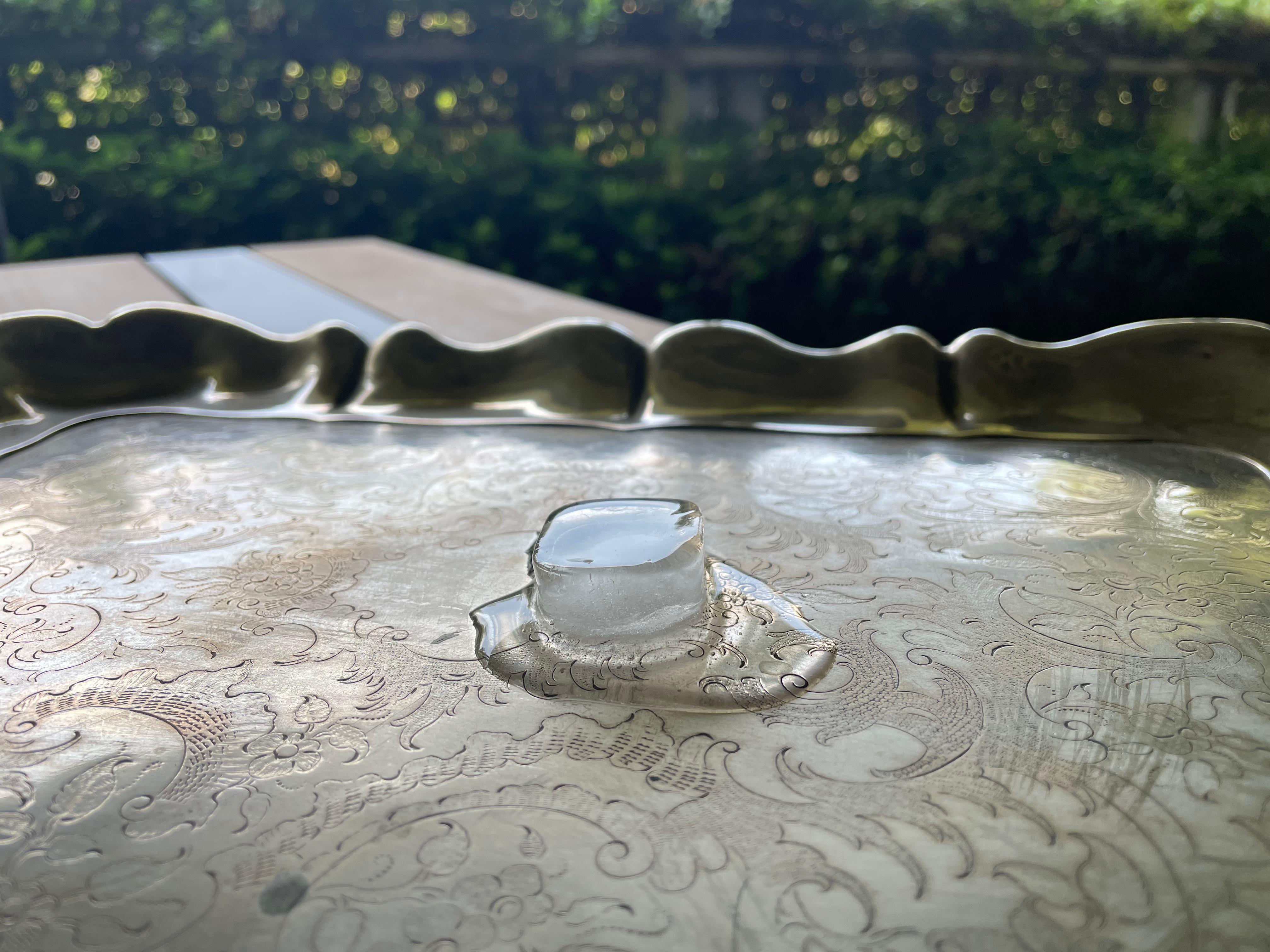
- Ice-Cube Test: Silver conducts heat quickly—place an ice cube on the item; if it melts faster than on a non-silver surface, it’s likely silver.
- Weight Comparison: Compare with a similar stainless steel spoon; real silver will feel noticeably heavier.
Chemical Tests and Caution
Some use acid tests to check silver content. These reveal purity but can damage antiques, so they’re risky unless performed by experts.
A safer approach is to consult a professional appraiser, avoiding damage and gaining expert insights into what your silverware is made of.
Fake Silver Checklist
- Magnet test: real silver is not magnetic.
- Weight comparison: silver is heavier than stainless steel.
- Hallmark presence: look for “925,” “Sterling,” or maker’s mark.
Ask the Experts
Why Get an Appraisal?
Certified appraisers can confirm whether a piece is genuine and provide accurate valuations. This helps you avoid buying fake sterling pieces labeled as “solid silver.”
Investors often seek expert evaluation for both coins and silverware. If you’re wondering where to buy coins for collecting, expert advice prevents costly mistakes and supports smarter collecting.
Online Tools and Collecting Communities
There are excellent online resources—925-1000.com lists hallmarks, and forums like SilverForum or CoinTalk allow you to ask questions and compare images.
These communities help with both silver and coins. You can learn what coins are rare and how to tell if your silverware is real. Using search terms like “collectible,” “hallmark guide,” and “sterling identification” will improve your results.
Preserve What You Find
Cleaning Without Damaging
Use a soft cloth and silver-safe polish. Avoid harsh abrasives—excess polishing removes detail and lowers value. Collectors often prefer a light patina, which shows age and authenticity.
Typical tarnish appears as a dull grey-black patina that can be gently polished away; avoid overpolishing to preserve fine details.
Condition plays a huge role in value. Proper cleaning protects your investment over the long term. Learn more about cleaning silverware.
Storage for Long-Term Value
Store antique silver in anti-tarnish cloth or acid-free paper. Keep pieces separated and avoid exposure to air and humidity to prevent scratching and oxidation.
Proper storage is essential; many owners only ask how much their silverware is worth after it’s been damaged. Gloves or soft cloths prevent fingerprints and tarnish from natural oils.
Final Thoughts: Identify With Confidence
Whether you collect coins or antique silver, accurate identification matters. Learning how to tell if silverware is real silver protects your investment and deepens your appreciation for craftsmanship and history.
Asking questions like what is silverware made of or where to buy rare coins puts you on the path to smarter collecting. Trust your instincts, learn the signs, and always verify before you buy—what coins are rare or what silverware is worth isn’t always obvious at first glance, but you can learn to recognize the signs.
- What is silverware made of?
- How do I tell if the silverware is real silver?
- Is silverware worth anything if it’s not solid silver?
- How much is silverware worth today?
- What is the difference between sterling and silver-plated silverware?
- How do I identify antique spoons or forks?
- Can gold be used in silverware?
- Does real silver rust?
- How heavy should a sterling silver spoon be?
- Can a silverware set be 18K gold plated?
What is silverware made of?
Silverware is typically made of sterling silver, coin silver, or silver-plated metals. Sterling silver contains 92.5% pure silver, while coin silver is about 90%. Silver-plated items have a thin silver layer over a base metal like nickel or copper. Knowing what silverware is made of helps determine both its age and value.
How do I tell if the silverware is real silver?
Check for hallmarks such as “925” or “Sterling.” Real silver pieces feel heavier, tarnish evenly, and may include unique maker’s marks. Use a magnifying glass for hidden stamps. If unsure, a professional appraiser can confirm authenticity.
Is silverware worth anything if it’s not solid silver?
Yes—silver-plated silverware can have value based on age, brand, and design. However, sterling silver flatware tends to be worth more due to its silver content. A full antique silverware set in its original box from a known maker may be valuable, even if not pure silver.
How much is silverware worth today?
The value of silverware depends on purity, age, rarity, and condition. Sterling silver pieces are typically priced by weight. Collectible designs or sets can command higher prices. A professional appraisal will give the most accurate estimate.
What is the difference between sterling and silver-plated silverware?
Sterling silver is made of at least 92.5% pure silver, often marked “925.” Silver-plated silverware has only a thin silver layer over another metal. This difference affects both value and care methods.
How do I identify antique spoons or forks?
Use pattern guides and look for hallmarks and maker’s marks. These clues indicate when and where the item was made. Decorative engravings and tarnish patterns also help. Compare designs with online catalogs or collector references for best accuracy.
Can gold be used in silverware?
Yes—some pieces are gold-plated or made of vermeil (silver base with gold plating), often marked “18K” or “Vermeil.”
Does real silver rust?
No—silver itself does not rust (iron oxide); it can tarnish over time, developing a dark patina that’s easily polished away.
How heavy should a sterling silver spoon be?
A standard sterling silver teaspoon typically weighs between 25–30 grams, though weights vary by pattern and manufacturer.
Can a silverware set be 18K gold plated?
Yes—vermeil is sterling silver with at least 2.5 microns of gold plating, often marked “18K.” It combines the value of silver and gold for a luxurious finish.


