
Signs of Quality in Vintage Ceramics: What to Look For Before Buying

A vintage ceramic piece can look beautiful at first glance. The color may be charming, the shape may feel elegant, and the decoration may immediately catch your eye. But before buying, it is worth asking a more practical question: is this piece genuinely well made, or is it simply attractive from a distance?
Quality in vintage ceramics is judged through a combination of details. Craftsmanship, condition, material, finish, decoration, marks, proportion and overall feel all matter. No single feature tells the whole story. A marked piece is not automatically valuable, and an unmarked piece is not automatically poor quality.
The best approach is to slow down and inspect the piece carefully. Whether you are buying for display, collecting, gifting or everyday decorative use, these signs can help you choose vintage porcelain and ceramics with more confidence.
Quality in Vintage Ceramics Is More Than Age
Age alone does not make a ceramic piece valuable or well made. Some older pieces were mass-produced quickly, while some later vintage pieces show excellent design and careful finishing. A good buyer looks beyond the date and asks how well the object was made.
Decorative charm and true quality can overlap, but they are not the same thing. A piece may have a lovely floral pattern or nostalgic shape, yet still show weak glaze, rough finishing, poor balance or serious hidden damage.
Quality usually comes from the way condition, craftsmanship and design work together. A strong vintage ceramic piece should feel intentional. The shape, surface, color, decoration and details should support each other rather than feel careless or accidental.
Start With Shape, Balance and Proportion

The overall form is one of the first quality signs to check. Look at the silhouette. Does the piece have a confident shape? Does it feel balanced and pleasing from different angles? Good ceramics often have a sense of proportion, even when the design is ornate or unusual.
If the piece is a vase, bowl, figurine, dish or decorative object, check whether it sits evenly on a flat surface. A slight irregularity may be normal in handmade or older pieces, but rocking, leaning or instability can be a problem, especially if the piece is meant to stand safely on display.
Unevenness is not always bad. In handmade ceramics, small variations can add character. The question is whether the irregularity feels like part of the making process or like damage, warping, poor firing or careless production.
Inspect the Glaze and Surface Finish

The glaze tells you a lot about quality. A well-applied glaze usually looks intentional, smooth and suited to the form. It should not feel random, patchy or unfinished unless that is clearly part of the artistic style.
Crazing, the fine network of lines sometimes seen in older glaze, is common in many vintage ceramics. It is not always a deal-breaker. Light crazing can be part of the character of an older piece. However, heavy crazing with staining, dark lines or moisture marks can affect desirability and may suggest that the piece has not been well cared for.
Watch for dullness, rough patches, glaze bubbles, discoloration or stained areas. These do not always make a piece worthless, but they should affect how you judge condition and price. A quality piece should still feel visually coherent, even if it shows honest age.
Look Closely at Decoration and Detail
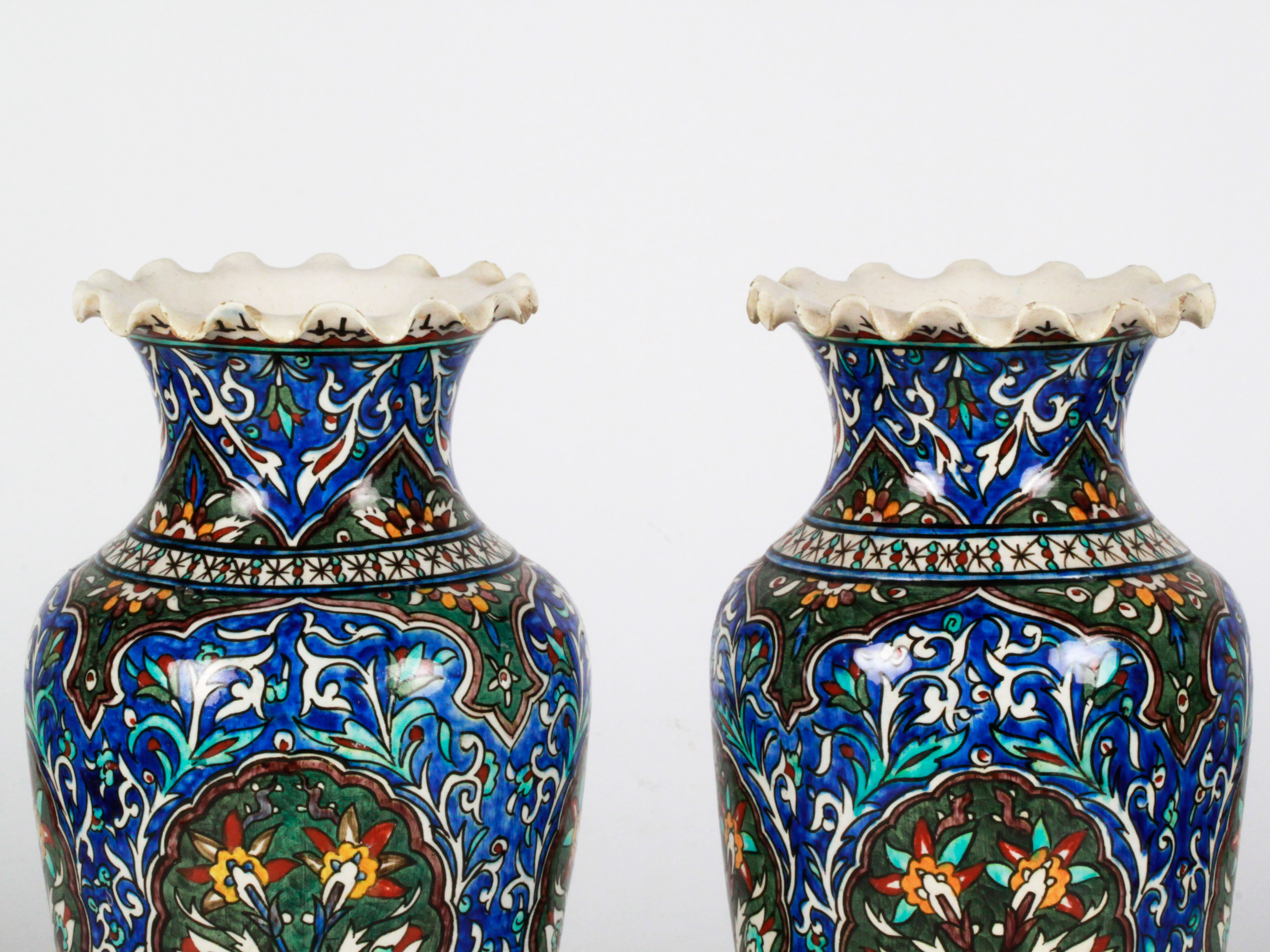
Decoration is another strong clue when identifying vintage porcelain and ceramics. Hand-painted details, transfer patterns, gilding, relief work and sculpted features should be examined closely. Good decoration usually has clean lines, confident placement and a clear relationship to the shape of the piece.
On higher-quality pieces, details often feel deliberate. Painted flowers may have subtle shading. Gilded edges may be neatly applied. Relief decoration may be crisp rather than muddy. The decoration should enhance the piece, not look like an afterthought.
Warning signs include blurred patterns, sloppy color, uneven gilding, careless brushwork or decoration that does not align properly. Some wear to gilding or painted details is normal on vintage ceramics, especially around rims and handles, but poor original execution is different from age-related wear.
Check for Chips, Cracks, Repairs and Wear

Condition has a major effect on quality and value. Start by checking the most vulnerable areas: rims, handles, bases, spouts, lids, corners and raised decoration. These are the places where chips and cracks often appear first.
Hairline cracks can be easy to miss. Look closely under good light and, if possible, inspect both the inside and outside of the piece. Repairs may show as uneven color, a different surface texture, glue residue, overpainting or an area that reflects light differently from the rest.
Minor wear is sometimes acceptable, especially on pieces bought mainly for display or decorative charm. A little rubbing on gilding, light surface marks or gentle age-related wear may not ruin the piece. Serious cracks, large chips, stained crazing, unstable repairs or missing parts are more important concerns and should lower desirability.
If you are new to condition checks, Bellamysworld's smart antique buying guide is a useful companion because it explains how to think about risk, seller claims and purchase confidence before committing.
Understand Maker Marks and Backstamps
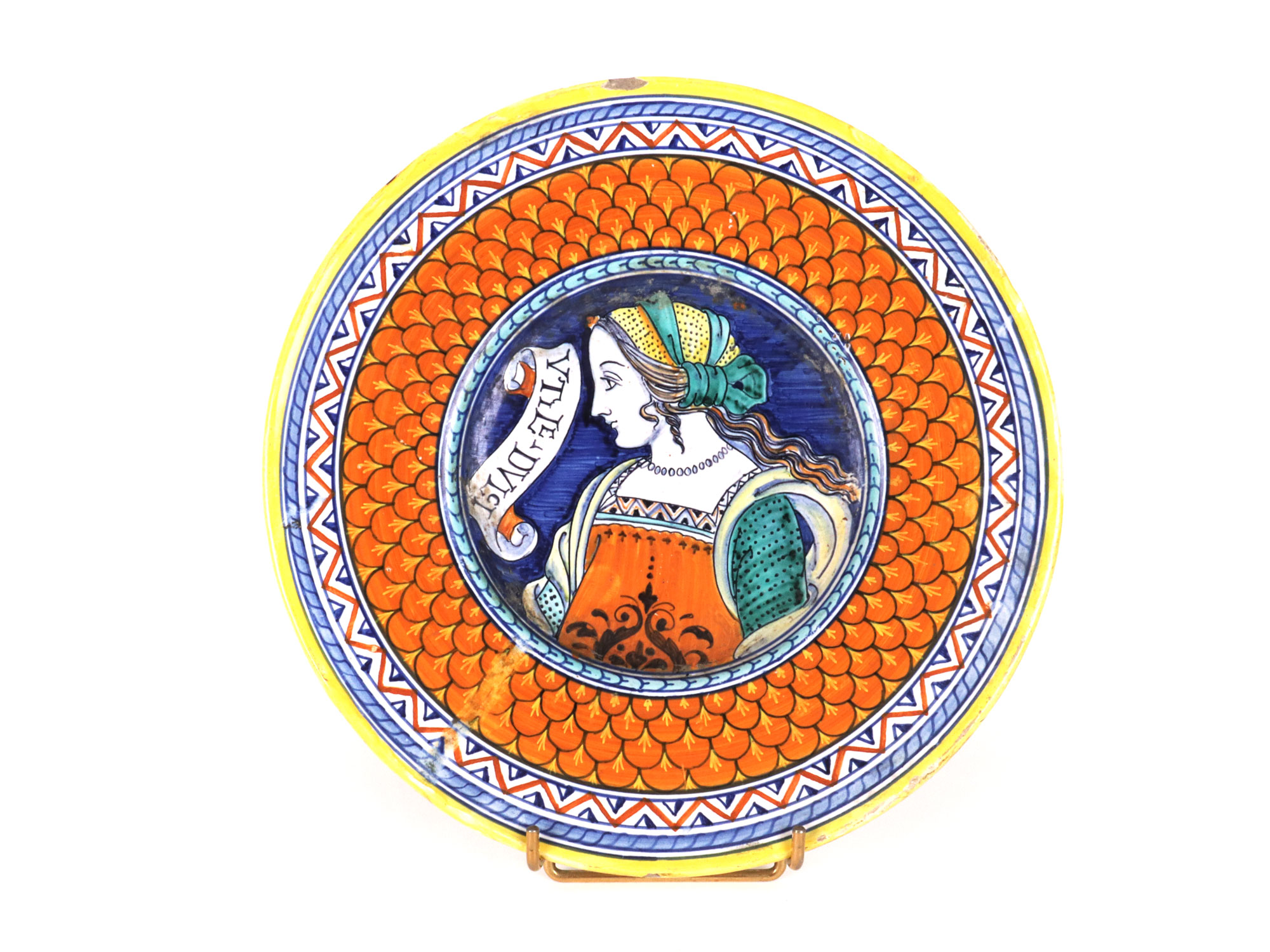
Maker marks, backstamps, signatures and impressed marks can help identify origin, maker, approximate period or production line. They are useful tools, but they should not be treated as proof of quality on their own.
A mark can support the story of a piece, but it does not automatically make it valuable. Some marked pieces are common, while some unmarked pieces are beautifully made. The mark should be considered alongside condition, design, craftsmanship, rarity and appeal.
If a piece is unmarked, do not dismiss it immediately. Study the form, glaze, decoration, material and quality of finish. Some handmade, studio, regional or decorative ceramics may not have obvious marks but can still be desirable.
Consider Material and Weight

Porcelain, earthenware, stoneware and other ceramic bodies can feel different in the hand. Porcelain is often associated with refinement, thinness and sometimes translucency, especially in finer pieces. It can feel smooth, delicate and precise.
Earthenware and stoneware may be heavier or more rustic, but that does not mean they are lower quality. Many excellent vintage ceramics have a stronger, more substantial body. The key is whether the material suits the purpose and style of the piece.
Weight should feel appropriate. A very heavy piece is not automatically better, and a thin piece is not automatically fragile or valuable. Look for harmony between material, shape, decoration and function. For a broader foundation, read Porcelain and Ceramics - Everything You Should Know.
Assess the Base and Underside

The underside can reveal more than many buyers expect. Check the foot rim, base and contact points. These areas can show how carefully the piece was finished and how naturally it has aged.
Signs of age and use on the underside can be normal. Light wear on the foot rim may support that a piece has been handled and displayed over time. A clean, stable, well-finished base often suggests better making and better care.
Be cautious with fresh grinding, suspiciously altered markings, unstable bases or marks that look added later. These do not always prove a problem, but they are reasons to inspect more carefully before buying.
Compare Quality Within Known Porcelain Traditions

When you are studying vintage porcelain, it helps to compare the piece with known traditions and makers. This does not mean every good piece must come from a famous factory. It simply gives you a reference point for proportion, glaze, painting, gilding and finish.
For example, pieces connected to respected European porcelain traditions often show disciplined shapes and careful decoration. Bellamysworld's articles on Meissen porcelain history and characteristics and Limoges porcelain can help you recognize why certain porcelain centers became associated with refinement.
Use those references as context, not as shortcuts. A famous name should still be checked for condition, authenticity, finish and price. A lesser-known piece should still be judged fairly if the craftsmanship is strong.
Watch for Red Flags Before Buying
When buying vintage ceramics online, be especially careful with vague descriptions and limited photos. If damage is not clearly shown, ask questions before purchasing. Good sellers usually show rims, bases, marks and any flaws honestly.
Be wary of overly perfect claims without evidence. Words like rare, valuable, antique or museum quality should be supported by clear details, not just used to make a listing sound impressive.
Packaging also matters. Fragile ceramic pieces need careful packing. If the seller does not understand how to pack porcelain or ceramics safely, even a good piece can arrive damaged.
Finally, remember your own goals. A piece may be attractive but still not fit your collection, home or budget. Buying well means choosing objects you will enjoy keeping, not just objects that seem interesting for a moment.
How to Make a Confident Buying Decision
A confident buying decision balances beauty, condition, rarity, maker, price and personal taste. The best vintage ceramic piece is not always the most perfect one. Sometimes a piece with minor wear, strong design and real character is more rewarding than a flawless but ordinary object.
Decide whether you are buying for display, use or collection value. A decorative vase for a shelf may not need to meet the same standard as a rare porcelain piece intended for a serious collection. Your purpose should guide how strict you are.
Before you buy, look at the piece as a whole. Does it feel well made? Are the flaws acceptable? Is the price fair for the condition? Does it suit your taste? If the answer is yes, you are more likely to choose a piece that remains beautiful long after the first impression.
Frequently Asked Questions
How can you tell if vintage ceramics are good quality?
Look at the shape, balance, glaze, decoration, condition, base, material and overall finish. Good quality usually shows careful craftsmanship, pleasing proportion, appropriate weight and honest condition.
Are cracks or crazing always bad in vintage ceramics?
Not always. Light crazing can be normal in older ceramics, but heavy stained crazing, open cracks, structural damage or hidden repairs can reduce desirability and value.
Do maker marks guarantee that a ceramic piece is valuable?
No. Maker marks can help identify a piece, but they do not guarantee quality or value. Condition, craftsmanship, rarity, design and market demand all matter.
What is the difference between normal wear and serious damage?
Normal wear may include light rubbing, minor surface marks or gentle age-related signs. Serious damage includes large chips, cracks, unstable repairs, heavy staining, missing parts or damage that weakens the piece.
Is unmarked vintage porcelain or ceramic still worth buying?
Yes, it can be. An unmarked piece may still have strong design, good craftsmanship and decorative appeal. Judge the whole object rather than relying only on a mark.
What should I check first before buying vintage ceramics online?
Check clear photos of the front, back, base, rim, marks and any damage. Read the condition description carefully and ask about chips, cracks, repairs and packaging if the listing is unclear.
Before buying vintage ceramics, look beyond the first impression. Check the craftsmanship, condition, finish, details, marks and overall feel so you choose pieces that are beautiful, well made and worth keeping.


